Which noise boundary applies?
Start with the action, not the zombie. A crouching footstep, a gunshot, a thrown item landing, a Pipe Bomb lure, an explosion, an alarm, and a zombie shriek have separate sound-stimulus values. Pick the one that actually occurred, then read its radius.
Movement is the only group on this page with a supported composition rule. For crouching, walking, or sprinting, select the standard or Power Plant base and apply the active movement effects. Do not apply those effects to a gunshot, explosion, alarm, utility action, or zombie call.
Default: crouch when stimulus radius is the only deciding field. It has the smallest base in both movement contexts. This holds when reaching the next position quickly is not the more important requirement. The cost is giving up the pace of walking or sprinting. Use either faster state when position matters more, then read that action’s larger field.
This choice changes a sound-stimulus value. It does not promise that crouching prevents detection.
How large are movement stimuli?
Standard movement uses 1 m while crouching, 4 m while walking, and 10 m while sprinting. Power Plant has a separate trio: 3 m, 10 m, and 20 m.
Six current movement presets
Choose the context first. Standard and Power Plant footsteps do not share one base radius.
Standard movement



Power Plant movement



Do not carry the standard numbers into Power Plant. A Power Plant crouch begins at 3 m rather than 1 m, its walk begins at 10 m rather than 4 m, and its sprint begins at 20 m rather than 10 m. Context comes before the movement label.
The game gives no base jump value here. Movement effects name jumping among their targets, but a modifier without a base does not produce a jump radius. Use the crouch, walk, and sprint cases only.
How do movement effects combine?
applies 0.9x to the movement-noise fields. applies 0.8x and replaces the Normal tier. applies 0.5x to the same four movement attributes.
Movement effects keep their operation and target
All three effects modify crouching, jumping, running, and walking noise. Only crouch, walk, and sprint have base values for the calculations shown here.
- Operation
- multiply
- Magnitude
- 0.9x
- Single-effect reduction
- 10%
- Operation
- multiply
- Magnitude
- 0.8x
- Single-effect reduction
- 20%
- Operation
- multiply
- Magnitude
- 0.5x
- Single-effect reduction
- 50%
effective radius = base radius × (1 + Σ(effect magnitude - 1))Ranger Boots plus Normal Quiet Steps leaves 0.4x of the base. Boots plus Expert leaves 0.3x. Normal and Expert replace one another, so the two skill tiers are never entered together.
For one effect, multiply the base by its magnitude. Standard walking with Normal Quiet Steps is 3.6 m. Standard walking with Ranger Boots is 2 m.
Effects on the same movement field combine through their changes from 1.0. Boots plus Normal leaves 0.4x of the base, and Boots plus Expert leaves 0.3x. That makes standard walking 1.6 m with Boots and Normal, or 1.2 m with Boots and Expert.
Never count Normal and Expert together. They are two tiers of one skill family, not two simultaneous effects.
Which fixed movement state matches?
The cards below use one stated context, one action, and the active effects before calculating the result. Each card gives a default answer, its reason, the condition that keeps it valid, the cost, and an alternative. They do not read your live Responder state or choose an action for a state not shown.
Use the state that matches the action
One answer for six fixed movement states
Standard crouch, no movement effect
Use the 1 m stimulus field.
- Base field
- 1 m
- Applied effects
- None
- Effective field
- 1 m
Why: This action uses the standard crouching preset.
When it holds: The current area is not using the Power Plant movement records.
Cost: You give up the movement pace of walking or sprinting.
Alternative: Use walking or sprinting when position matters more than the larger stimulus field.
Standard walk with Quiet Steps
Use the 3.6 m result.
- Base field
- 4 m
- Applied effects
- Quiet Steps
- Effective field
- 3.6 m
Why: Quiet Steps applies 0.9x to the 4 m walking preset.
When it holds: The Normal tier is active and Expert is not replacing it.
Cost: You spend a skill slot on movement noise instead of another effect.
Alternative: Without the skill, keep the 4 m base field.
Standard sprint with Ranger Boots and Expert
Use the 3 m result.
- Base field
- 10 m
- Applied effects
- Ranger Boots + Quiet Steps - Expert
- Effective field
- 3 m
Why: The 0.5x and 0.8x effects leave 0.3x after same-field composition.
When it holds: Ranger Boots and the Expert tier are both active.
Cost: This result depends on both the passive item and the upgraded skill.
Alternative: Use 5 m for Boots alone or 8 m for Expert alone.
Power Plant crouch with Quiet Steps
Use the 2.7 m result.
- Base field
- 3 m
- Applied effects
- Quiet Steps
- Effective field
- 2.7 m
Why: Power Plant starts from its separate 3 m crouching preset.
When it holds: The Power Plant movement record and Normal Quiet Steps are active.
Cost: You must accept the larger Power Plant base.
Alternative: Use the 3 m Power Plant base when the skill is absent.
Power Plant walk with Ranger Boots and Quiet Steps
Use the 4 m result.
- Base field
- 10 m
- Applied effects
- Ranger Boots + Quiet Steps
- Effective field
- 4 m
Why: The two effects leave 0.4x of the 10 m Power Plant walking preset.
When it holds: The passive item and Normal tier are active together.
Cost: The result uses both a passive item effect and a skill slot.
Alternative: Use 5 m for Boots alone or 9 m for Normal alone.
Power Plant sprint with Ranger Boots and Expert
Use the 6 m result.
- Base field
- 20 m
- Applied effects
- Ranger Boots + Quiet Steps - Expert
- Effective field
- 6 m
Why: The combined 0.3x movement result applies to the 20 m Power Plant sprint preset.
When it holds: Ranger Boots and Quiet Steps Expert are both active.
Cost: Both effects are required; Expert alone leaves 16 m and Boots alone leaves 10 m.
Alternative: Use either single-effect field when only one record is active.
If none matches, keep the same order: choose the standard or Power Plant base, keep either Normal or Expert Quiet Steps, include Ranger Boots only when it is active, and calculate the result once. Do not substitute a similarly sized gunshot or alarm value. Equal radii do not make two events the same.
What fields do gunfire and distractions use?
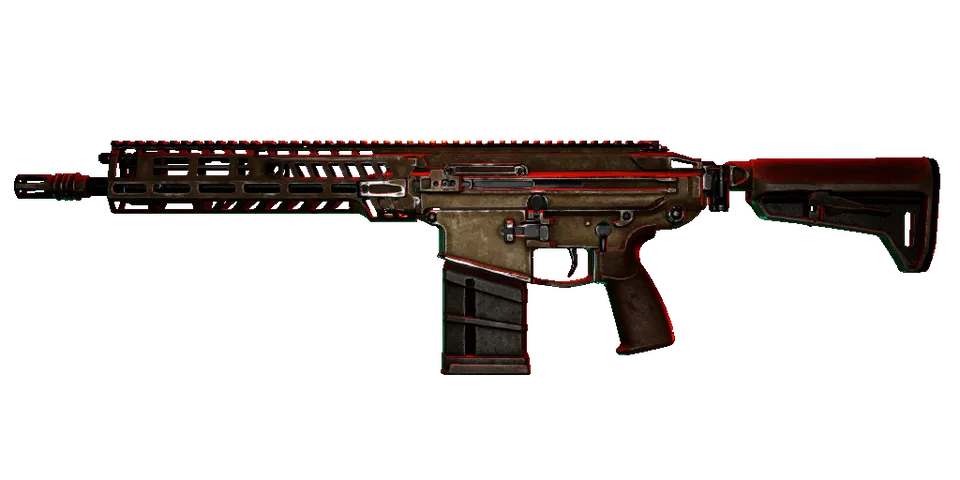
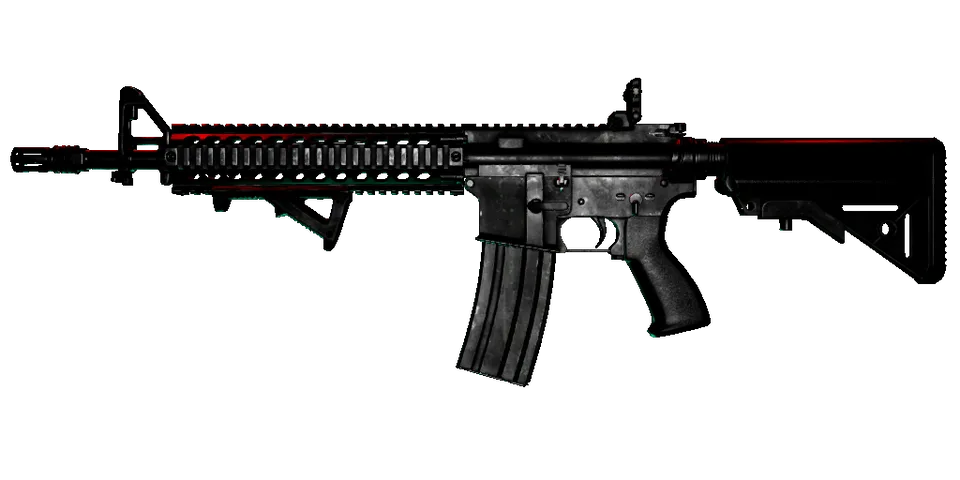
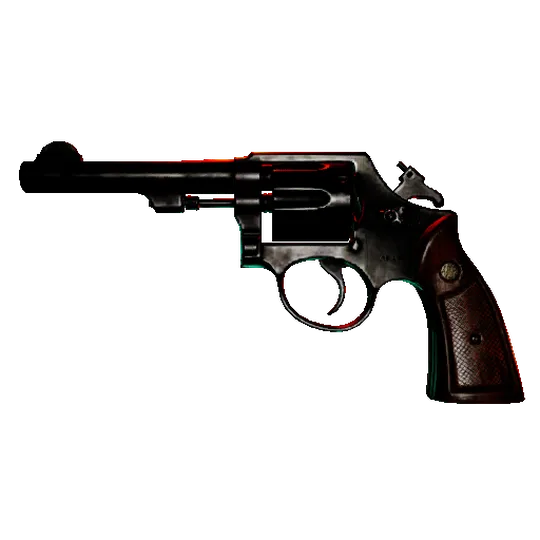
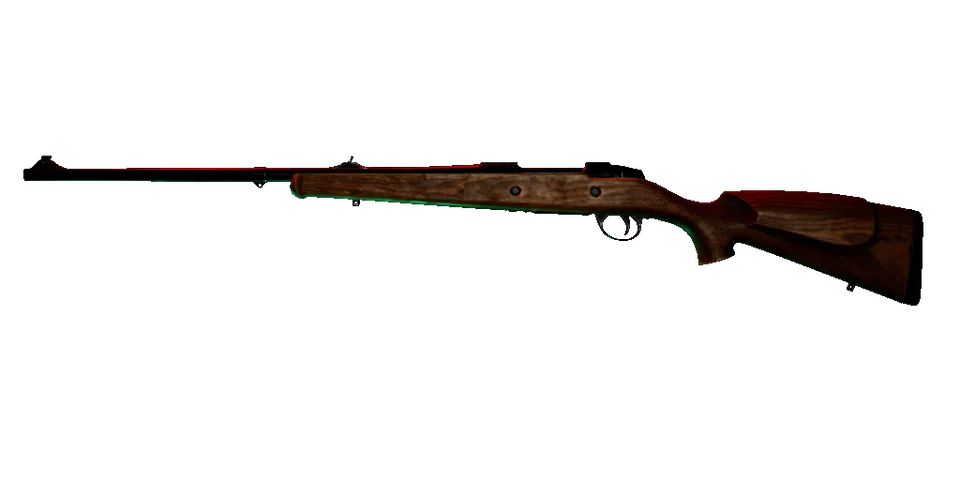
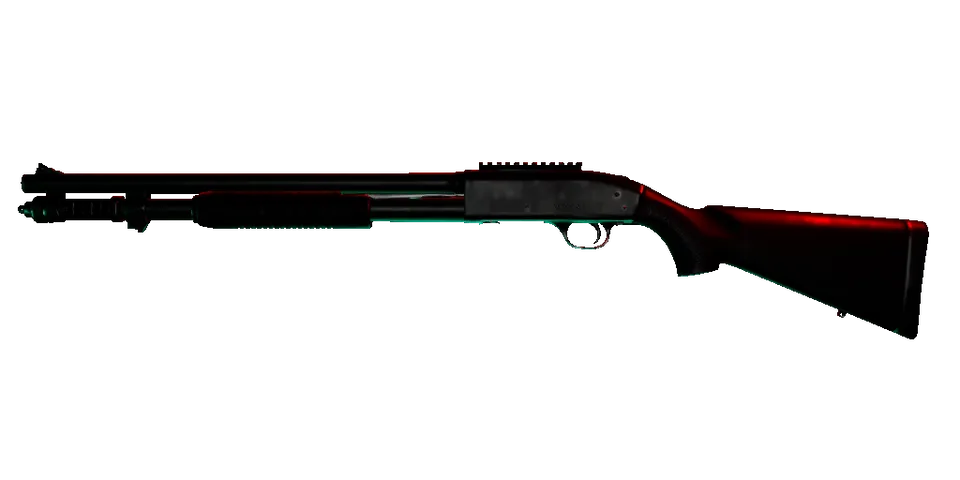
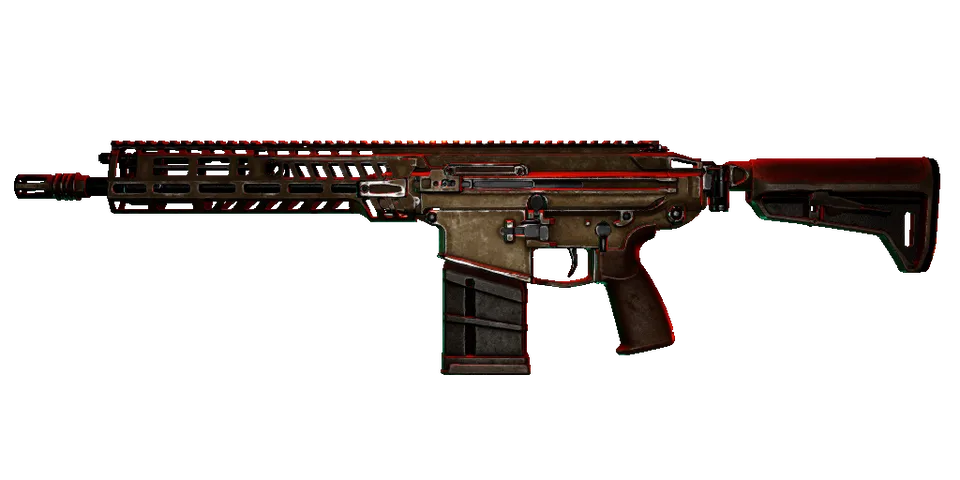
The five unsilenced gunshot entries each use a 45 m stimulus radius. The silenced gunshot entry uses 10 m. A suppressor changes which gunshot value applies; it does not turn firearm noise into a movement result or make the shot silent.
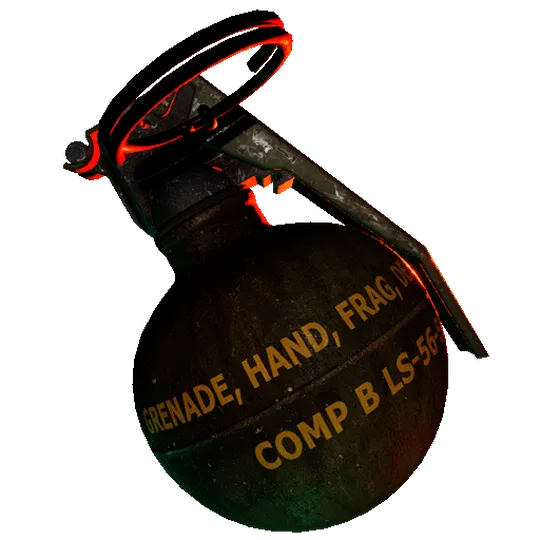
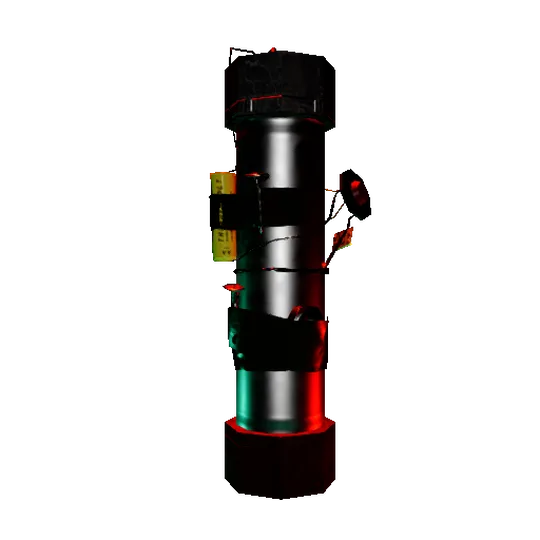
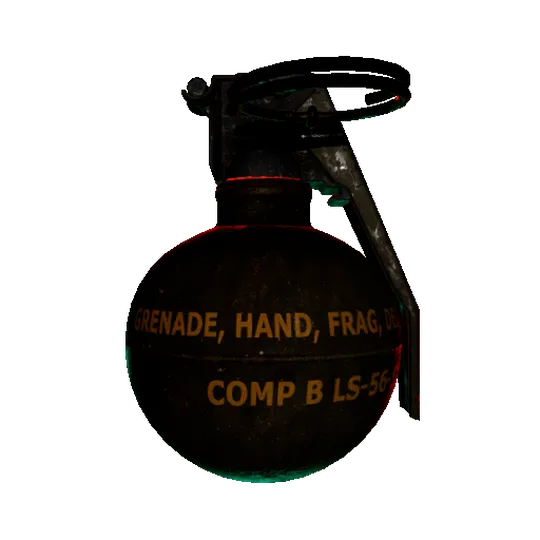
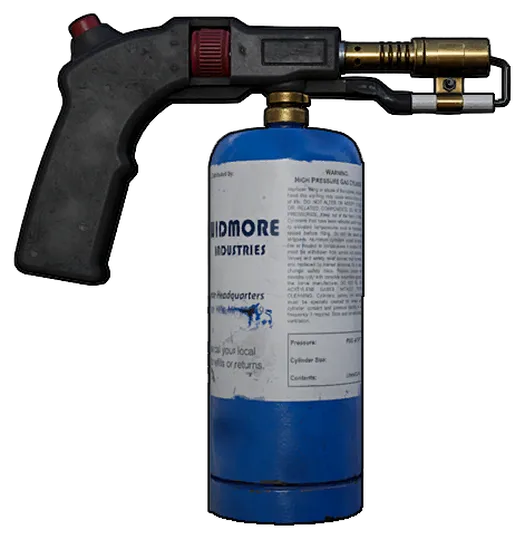
A thrown item landing uses 8 m. The Pipe Bomb lure uses 20 m, while the explosion is a separate 45 m record. Welding also has its own 20 m utility-action field.
The Alarm Box uses 45 m, an Airdrop uses 32 m, and a Car Alarm uses 75 m. The zombie shriek stays separate at 30 m.
Other sources stay as stimulus fields
Read the record that belongs to the action. These values are not inputs to the movement formula.
Gunfire fields
These gunshot stimulus values are separate from movement inputs.
Distraction and action fields
A lure, landing, explosion, and utility action keep separate records.
Alarm and world fields
Objective and world sources do not inherit the player footstep preset.

Zombie call field
The current shriek is its own world-source stimulus.
These are fixed references. Quiet Steps and Ranger Boots are not applied, and several sound sources are not combined into one larger result.
What should you do with the radius?
For movement, use the smallest state that still lets you complete the immediate positioning task. Crouch is the default when the stimulus field is the only cost. Walking or sprinting is the alternative when a faster movement state matters more than the larger field. Apply movement effects after the correct base is known.
For avoidable gunfire, use Melee or bypass the contact when the 45 m standard field is unacceptable. The cost is giving up the firearm’s distance. A compatible suppressor is the alternative when the 10 m silenced field is acceptable. Check the attachment mechanism for exact fit before relying on that option.
For a deliberate distraction, read the landing, lure, and explosion separately. The default is to use only the record created by the current action. This holds when that exact action is available. The cost is that the field alone cannot promise a zombie response. Choose another route or direct contact when the plan requires an outcome the stimulus record does not establish.
For an alarm or zombie call, treat the number as a source field, not as player footstep output. Continue from the live objective and visible situation rather than applying movement gear to a world event.
Field-only next steps
Keep external sources out of movement arithmetic
Alarm Box, Airdrop, or Car Alarm is active
Keep the current movement calculation unchanged.
Why: The alarm or world-event radius belongs to that source. It is not a player footstep base or movement effect.
When it holds: The route in front of you has not visibly changed.
Cost: The source radius gives no numeric distance that can be called safe.
Alternative: If a visible threat changes the route, stop and choose a new crouch, walk, or sprint state from the current position. Calculate that movement state from its own base.
A Zombie Shriek is the current source
Keep the 30 m shriek field separate and leave the current movement calculation unchanged.
Why: The shriek is a zombie-call record, not player movement, and its radius does not establish a reaction or route.
When it holds: No visible contact has changed the path you were already taking.
Cost: The field cannot promise which zombie reacts or where a safe cutoff lies.
Alternative: If visible contact changes the path, stop and select a new movement state for the route that remains. Calculate only that declared movement action.
When an Alarm Box, Airdrop, or Car Alarm is active and the visible route has not changed, keep the movement result you already calculated. The source has its own field, but that field does not replace your footstep base. If a visible threat changes the route, stop and choose a new crouch, walk, or sprint state from the current position.
Use the same boundary for a Zombie Shriek. Keep its 30 m record separate while the visible path is unchanged. If visible contact changes that path, select and calculate the movement action for the route that remains. Do not turn the shriek radius into a promised reaction or a safe cutoff.
What does the radius not prove?
A stimulus radius does not prove that every zombie inside it hears, sees, follows, or attacks the player. Facing, line of sight, occlusion, current AI state, and scripted encounter behavior are separate. The field also does not establish a spawn count, spawn rate, or route.
That boundary matters when two records share a number. A 45 m explosion, Alarm Box, and standard gunshot remain different events. The matching radius does not make their timing, source, or AI result interchangeable.
Use the Inventory query to open current suppressors and firearms. Use the Skills query to inspect Quiet Steps tiers and their exact target fields. The weapon and ammunition guide places the gunshot field inside a carry decision, while the stamina mechanism handles the separate running and melee budget. In Survival, use the speaker-defense plan to keep these stimulus fields subordinate to the live warning and selected zone.